
chemically tempered glass
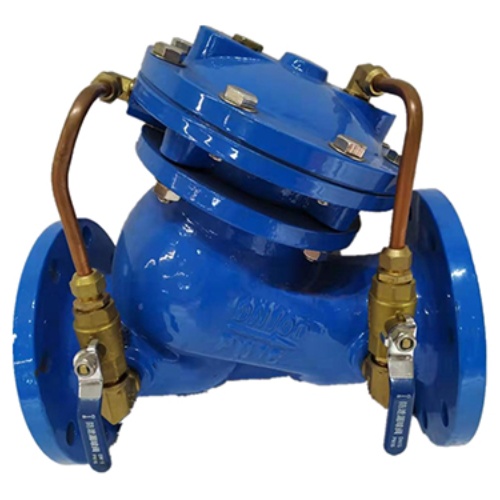
Understanding Ductile Iron Check Valves A Comprehensive Overview Ductile iron check valves have gained significance in various industrial applications due to their exceptional properties and reliability. These valves are designed to control the flow of fluids in a system, preventing backflow and ensuring smooth operation in pipelines and other fluid-conveying systems. This article delves into the characteristics, advantages, applications, and maintenance of ductile iron check valves. What is Ductile Iron? Before understanding the check valves themselves, it is essential to grasp what ductile iron is. Ductile iron, also known as spheroidal graphite iron, is a type of cast iron that has a unique microstructure. This structure provides enhanced strength, toughness, and ductility compared to traditional cast iron. Its ability to withstand significant mechanical stress makes it an ideal material for manufacturing valves used in demanding conditions. Features of Ductile Iron Check Valves Ductile iron check valves typically have a robust construction, allowing them to operate effectively under high pressure and temperature conditions. Some notable features include 1. Corrosion Resistance Ductile iron can be coated to enhance its resistance to corrosion, prolonging the lifespan of the valve. 2. High Strength-to-Weight Ratio The material provides sufficient strength without being excessively heavy, which makes installation more manageable. 3. Versatile Design Ductile iron check valves come in various designs, including swing, lift, and silent types, catering to different operational needs. 4. Sealing Performance These valves often feature resilient seats, ensuring a tight seal and preventing leaks and backflow. 5. Ease of Maintenance Many designs incorporate features that simplify maintenance, such as removable covers for easy access. Advantages of Ductile Iron Check Valves The use of ductile iron check valves brings several advantages to industrial and municipal applications ductile iron check valve 1. Durability Thanks to the inherent properties of ductile iron, these valves exhibit long service life, reducing the need for frequent replacements . 2. Cost-Effectiveness While the initial cost may be higher than some alternatives, the longevity and reduced maintenance requirements of ductile iron check valves can lead to lower overall operational costs. 3. Safety By preventing backflow, these valves protect pipelines and equipment from damage, enhancing the safety of the entire system. 4. Efficiency Ductile iron check valves facilitate smooth and efficient fluid flow, which is crucial in maintaining system performance and reducing energy consumption. Applications Ductile iron check valves are widely used across various industries, including - Water and Wastewater Treatment They are critical in municipal water systems to prevent contamination and backflow. - Oil and Gas These valves help manage fluid flow and protect equipment in pipelines. - HVAC Systems In heating and cooling systems, check valves ensure proper fluid circulation without backflow. - Fire Protection Systems They are essential in fire suppression systems, allowing for the correct flow of water while preventing reverse flow. Maintenance Considerations To ensure optimal performance, regular maintenance of ductile iron check valves is essential. This involves periodic inspections to check for signs of wear, leaks, and operational issues. Routine cleaning of the valve seats and removal of debris can help maintain effective sealing performance. Additionally, ensuring that the valves are correctly installed in alignment with the flow direction is crucial for their effective operation. Conclusion Ductile iron check valves play a vital role in fluid management systems across various industries. Their unique combination of strength, durability, and versatility makes them a preferred choice for many applications. Understanding their features, benefits, applications, and maintenance requirements enables operators and engineers to optimize their usage, ensuring efficient and reliable system performance. As industries continue to evolve, the demand for high-quality components such as ductile iron check valves will likely increase, underscoring their importance in modern engineering solutions.
about
chemically tempered glass
Understanding Valves The Unsung Heroes of Fluid Control Valves are among the most crucial components in a variety of systems, serving as the gatekeepers of fluid dynamics. From household plumbing to industrial machinery, valves play a vital role in controlling the flow of liquids and gases. Often overlooked in discussions about engineering and design, valves are essential for maintaining efficiency, safety, and convenience in countless applications. This article aims to delve into the various types and functions of valves, their importance, and innovations shaping the field. What is a Valve? At its core, a valve is a mechanical device that regulates, directs, or controls the flow of fluids by opening, closing, or partially obstructing pathways. Valves can be found in countless systems, and their design and function can vary widely based on the needs of the application. Some common types include gate valves, globe valves, ball valves, and check valves. Each type serves a specific purpose and is designed to manage flow in a particular manner. Types of Valves and Their Functions 1. Gate Valves These are primarily used for on/off control of flow. When fully open, they allow maximum flow with minimal pressure drop. Conversely, when closed, they completely stop the flow of fluid. However, gate valves are not suitable for throttling, as partially opening them can result in vibrations and erosion. 2. Globe Valves Designed for throttling applications, globe valves provide good flow regulation. Their interior design includes a movable disk, which acts against a stationary ring seat to control flow. Globe valves create more resistance to flow compared to gate valves, making them less effective for applications requiring minimal pressure drop. 3. Ball Valves Known for their durability and reliability, ball valves offer quick opening and closing functions. They contain a hollow, perforated ball that rotates to control flow. When the ball's hole is in line with the flow, the valve is open; when rotated perpendicular to the flow, it is closed . This design allows for low flow resistance and minimal leakage. 4. Check Valves These valves prevent backflow in a system. They operate automatically, relying on the pressure of the fluid to open and close. Check valves are critical in preventing damage to pumps and equipment downstream from a system by ensuring that fluid flows in the correct direction. the valve Importance of Valves in Various Industries Valves play a fundamental role in many industries, impacting efficiency, safety, and environmental protection. In the oil and gas sector, valves regulate the flow of raw materials and products, ensuring safe transportation and processing. In water treatment plants, valves control the flow of water through various filtration and purification stages, essential for providing clean drinking water. The power generation industry also relies on valves to manage steam and water flow in turbines and cooling systems, ensuring optimal performance and safety. Additionally, valves are integral to HVAC systems, where they manage airflow and ensure comfort in residential and commercial buildings. Innovations and Future Trends The valve industry is witnessing significant innovations driven by technology and the demand for efficiency. Smart valves equipped with sensors and IoT (Internet of Things) technology are increasingly being used to monitor flow rates, pressures, and temperatures in real-time, allowing for predictive maintenance and reducing downtime. Moreover, advancements in materials science are leading to the development of valves that can withstand extreme conditions, such as high pressures and corrosive environments. This progress not only enhances the durability and reliability of valves but also contributes to the overall efficiency of various systems. Conclusion While valves may not always be the first subject mentioned in discussions about engineering or infrastructure, their importance cannot be overstated. These devices are essential for controlling fluid flow and are critical to the functioning of numerous industries. As technology continues to evolve, the valve industry is poised for exciting advancements that will enhance efficiency, safety, and sustainability in fluid management. Understanding the role of valves is a vital step in appreciating the complexities of modern engineering and the systems that sustain our everyday lives.
-

High quality industrial productsagement

High quality industrial products
View Details -

Meet the diverse needs of customers

Meet the diverse needs of customers
View Details -

Strict quality control

Strict quality control
View Details -

Top raw materials

Top raw materials
View Details -

Trusted supplier

Trusted supplier
View Details
Our application

news and information

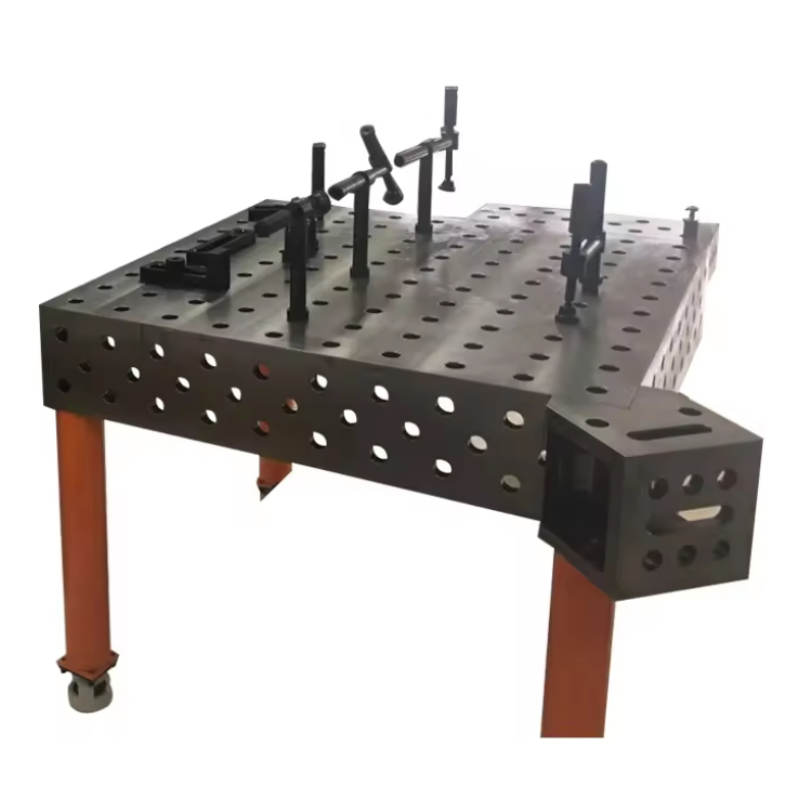
Versatile 3D Welding Table for Enhanced Fabrication and Precision Work
The Importance and Advantages of 3D Welding Tables in Modern Fabrication In the world of metal fabri
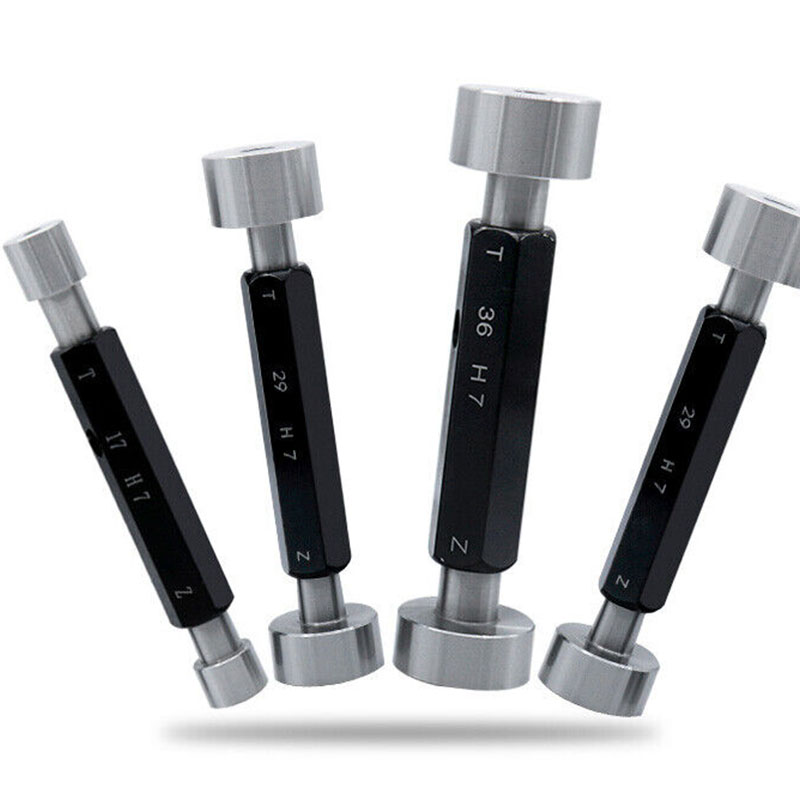
vibration damping pads for heavy machinery
Vibration Damping Pads for Heavy Machinery Enhancing Performance and Longevity In the world of heavy
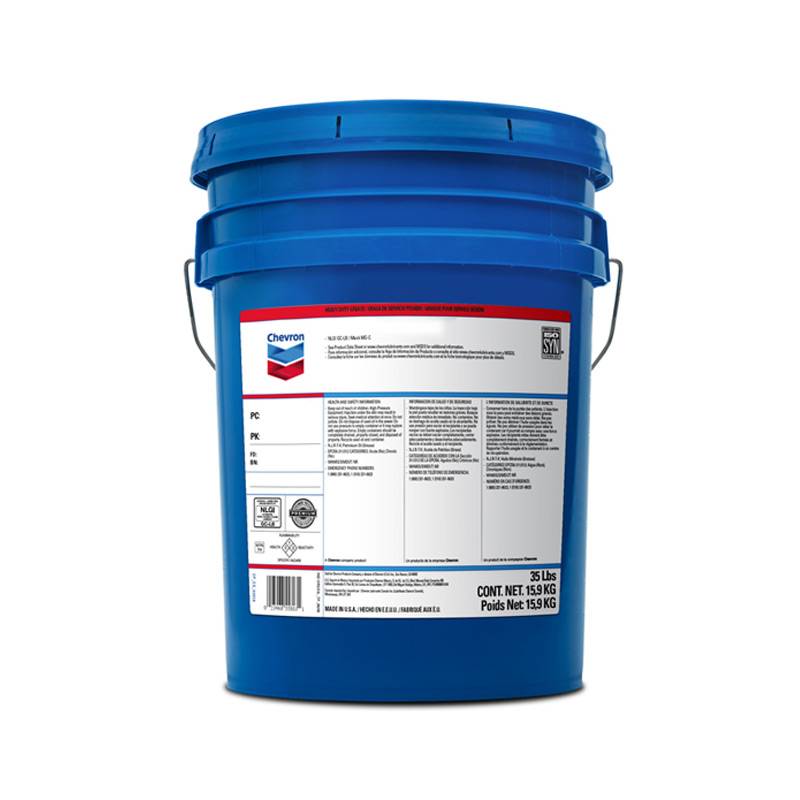
Válvula de equilíbrio estático para sistemas hidráulicos eficientes e de fácil ajuste
Válvula de Balanceamento Estático Importância e Aplicações A válvula de balanceamento estático é um
 English